From day 1 of a diagnosis of dementia or other cognitive impairment, life begins to change in ways one cannot begin to imagine. This is true for both the individual receiving the diagnosis and the person(s) who become part of that individual’s care team. There are both seen and unseen changes.
Changes & Emotions in the Caregiving Journey
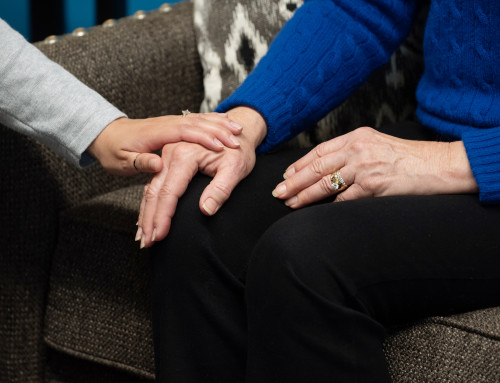
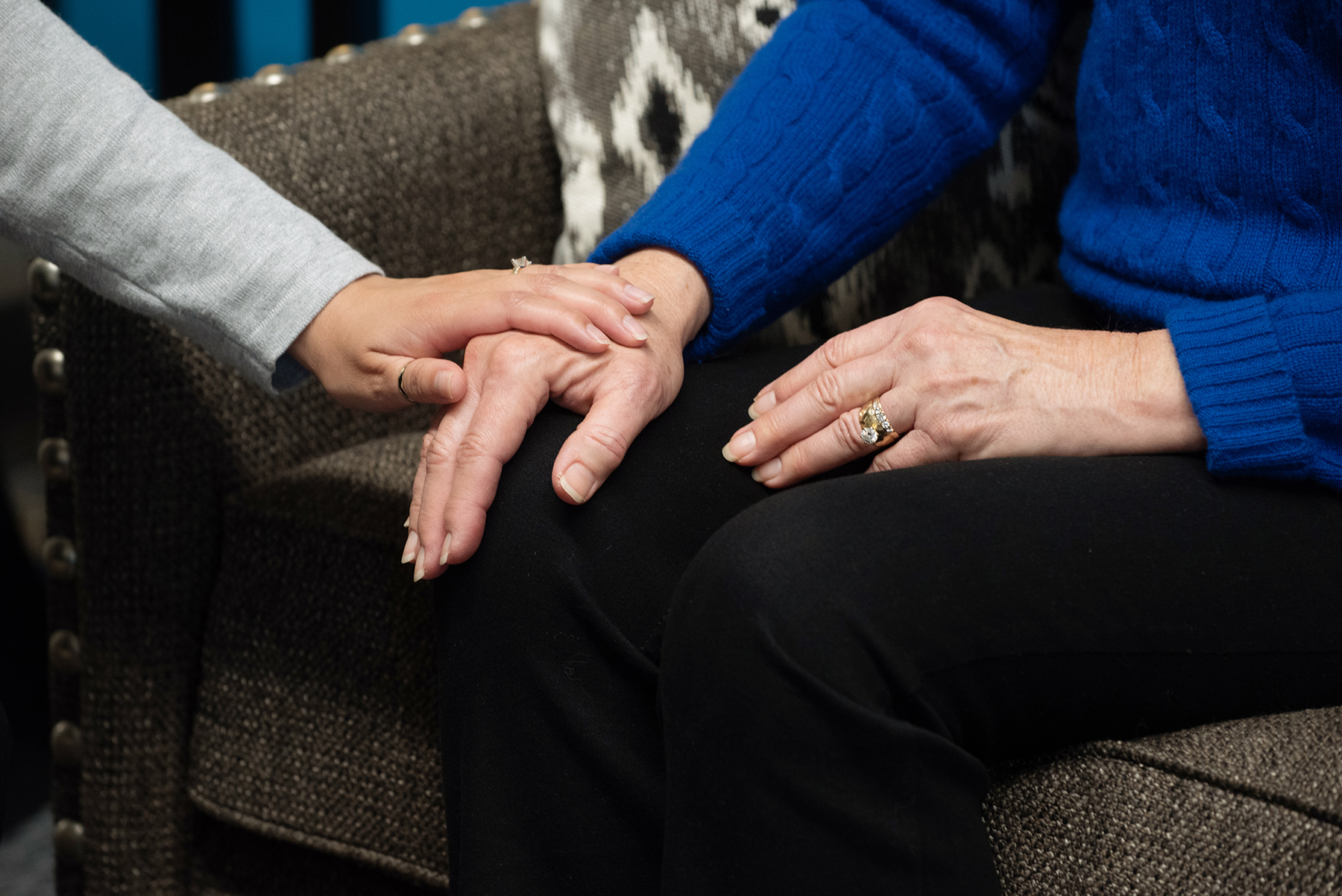
Seen changes include aspects such as physical, logistical, and financial changes to name a few that can be easily observed over time. Unseen changes, though, are more challenging to be aware of, and most people tend to ignore these unseen changes until they can no longer do so. The unseen changes can include feelings of grief and loss, fear, frustration, and anger. It may be that friends and family who are caregivers find that these things are too hard to acknowledge let alone talk about, or that they have no one they feel comfortable having these conversations with. They look up from caregiving and realize other family and friends have drifted away and now they are feeling isolated on top of everything else. Caregivers often share these feelings about their experiences:
I have felt so alone.
No one understands what I am going through.
People just want to tell me what to do but they don’t want to listen and they don’t want to help.
We feel trapped, we feel alone, we feel hopeless.
Why Join a Support Group
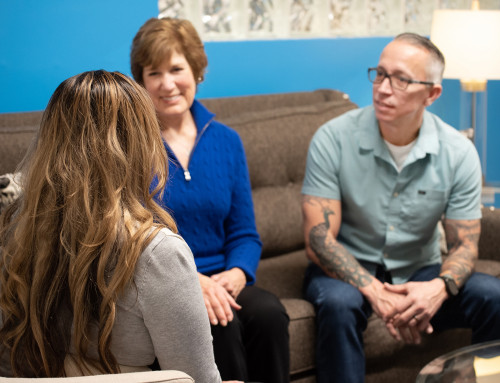
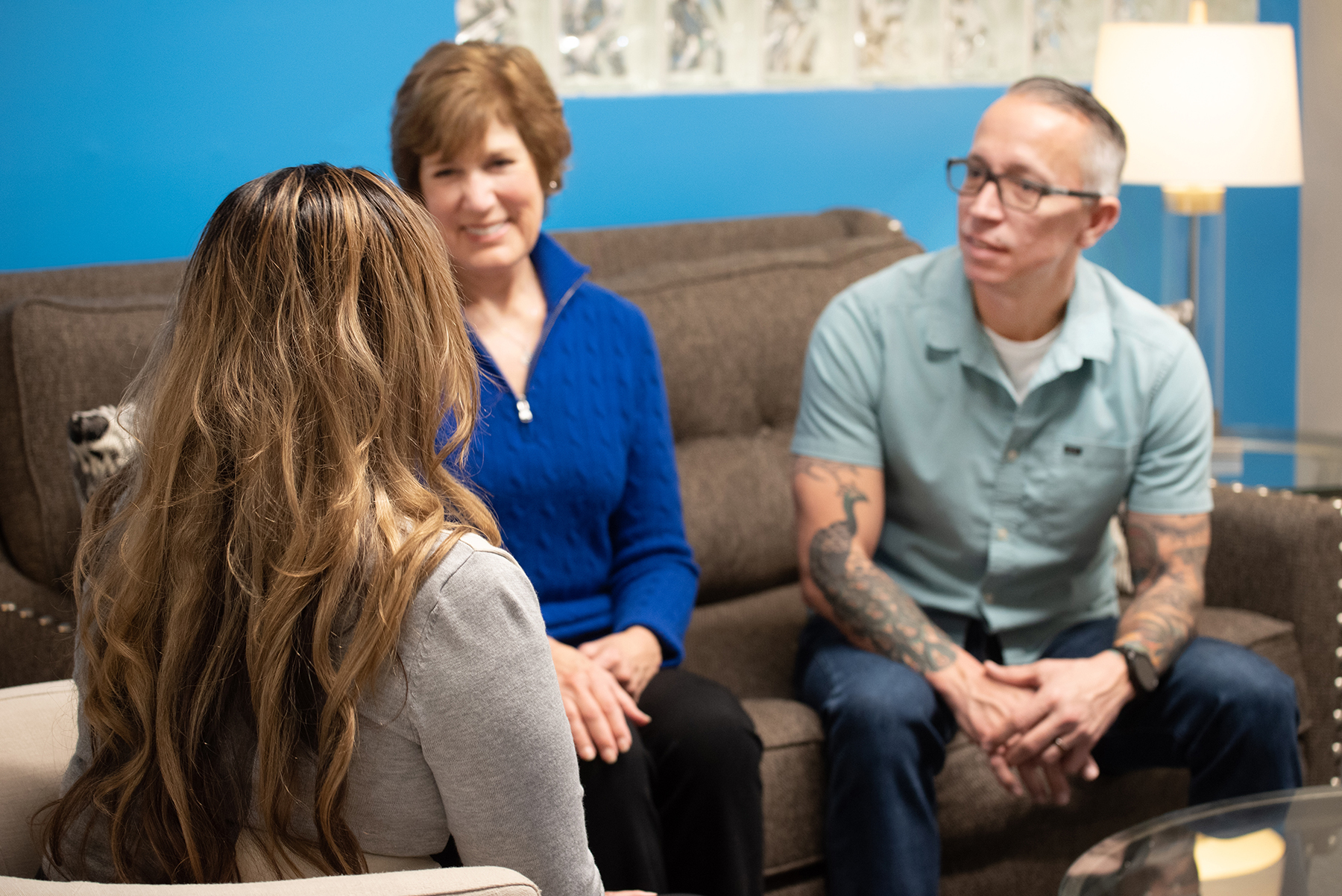
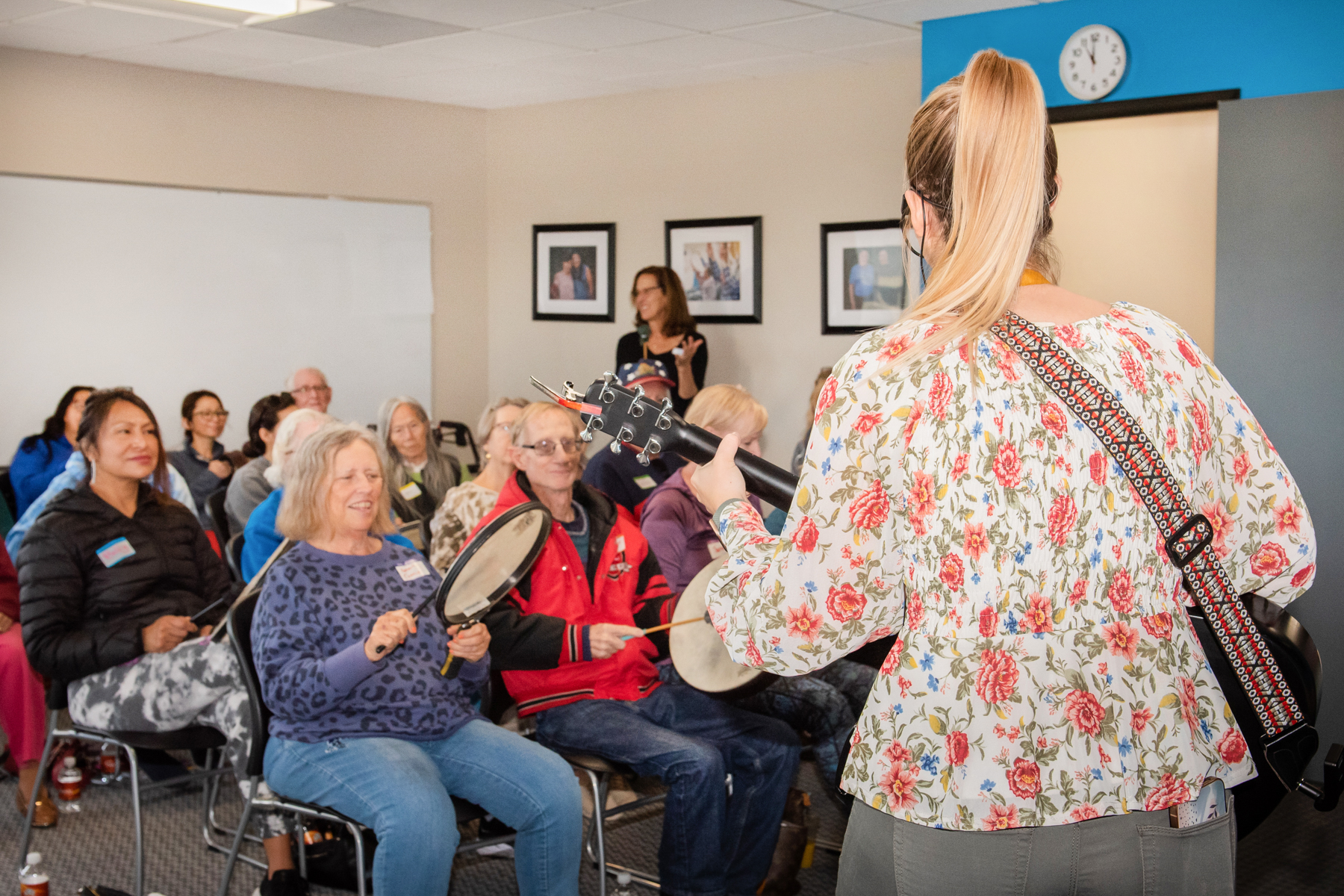
Alzheimer’s San Diego is here to support everyone on this journey from the beginning and along each step of the way. One of the programs we offer is our Caregiver Support Group program. Unlike traditional therapeutic support groups, our meetings are designed to provide a safe space to meet with other caregivers to learn from and with each other. In these meetings, subjects and feelings can be discussed that someone who is not, or has not been a caregiver would not understand. Feedback from caregivers about their support group experiences include:
When I came to this group it felt so good to connect with others that get it.
I’ve been looking for a place to get support like the support that you have provided. You have given me so much information that’s new and important, and acceptance.
I can talk about anything in this group.
It is so helpful to me to have the support of this group so I can have a safe place to talk about my feelings.
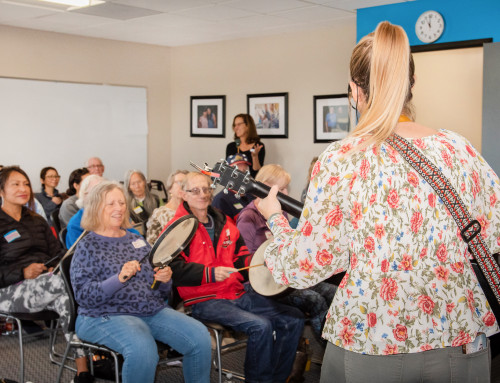
Throughout the rest of Support Group Awareness Month, we will be sharing information about the different types of groups, some topics covered in groups and the flow of meetings – as well giving you an opportunity to hear from some of our volunteer facilitators about why they volunteer their time not only in the support groups but in meeting with each other and participating in ongoing education.
If you have not attended a support group, the new year could be a great opportunity to consider giving them a chance. For more information, please call our office at 858.492.4400 and speak to someone on our Supportive Services team. They can answer questions about support groups and help you find one that will fit with your schedule and needs, as well as provide help with your individual situation. You may also check out our free education classes, social activities, & more.
Support Group Awareness Month is recognized every January, and we will share various blogs throughout the month regarding different aspects of our support groups. View more blogs >
By Ellen Boucher, BSW / Support Group Specialist
RECOMMENDED: You Get a Dementia Diagnosis, What Are the Next Steps?
Posted on January 8th, 2026