Supportive Services Team’s “Dementia Support Corner”
Living in a rural part of San Diego County comes with unique challenges for families impacted by dementia. In this piece, Alzheimer’s San Diego’s Dementia Care Coach Gabriela Mendoza talks through the difficulties people living with dementia and their caregivers can encounter in these areas and suggestions for navigating these challenges of rural caregiving.
Common Challenges
Caring for a person living with dementia is hard, but for people impacted by dementia in rural areas, it can be even more challenging. According to Gabriela, common challenges faced by people impacted by dementia that are living in rural communities include:
- Not as many resources for caregivers: People living in rural areas don’t have access to the same resources for caregivers respite that people living in the city do. For example, adult day programs, senior centers, and in-home care options available in cities are less available in rural communities. Without these opportunities to have a break, caregivers can experience burnout.
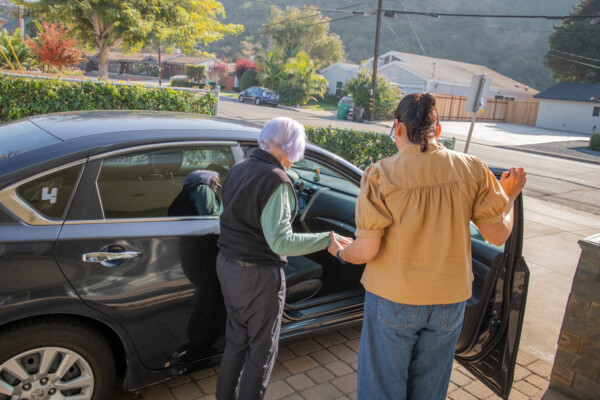
- Transportation to medical care: People living in rural communities have to spend more time traveling longer distances to doctor appointments. As a result of the extra time and distance it takes to seek medical care, people impacted by dementia in rural areas can have limited opportunities to see a physician.
- Rural areas typically have more extreme climates: People living with dementia can’t regulate their temperature and hydration as well as people who are not living with the disease. As a result, caregivers need to be more cautious about temperatures, especially in rural areas that experience extreme heat and cold.
- Not as many options to engage in dementia-friendly social activities: Many rural communities lack options for people living with dementia to socialize in a dementia-friendly environment.
Tips to Help Alleviate the Challenges of Rural Caregiving
Although people impacted by dementia in rural areas face more challenges than people living in cities, Gabriela says there are ways to lessen the burden of rural caregiving.
- Expanding your support system: Whether that is informal (friends and family) or formal options (senior centers, community centers, and religious places of worship), “It’s important to establish a support system,” says Gabriela. Check out this blog on helping friends and family connect with your person living with dementia.
- Medicare GUIDE program: Medicare’s new Guiding an Improved Dementia Experience (GUIDE) model is a new federal program that provides some respite caregiving hours to families. For more information, check out this blog on long-term care coverage for people living with dementia.
- Utilize virtual resources: Alzheimer’s San Diego offers online support groups for caregivers, as well as online education classes (plus a webinar library with recordings) and exercise videos (scroll down to the exercise library).
- Online medical care: You can request a virtual visit with your primary care physician, also known as telehealth. Additionally, you can reach out to your doctors and specialists via email on your provider portal.
- Specialized resources for people living alone with dementia: Alzheimer’s San Diego’s ALZ Ally program is specifically designed to address the unique needs of people living alone with dementia. Services include friendly phone calls, home safety visits, case management, safety items, and more.
- Plan meaningful activities at home: Hydration tips for summer heat and dementia-friendly ways to have fun.
- Connect with community resources: Alzheimer’s San Diego’s Dementia Care Coaches can help you identify community resources in your area. Call us at 858.492.4400 or fill out this form here to receive personalized guidance on resources in your area today.
- Practice self care: Caregiver self care tips for caregivers.
We Serve Rural Communities in San Diego County
Alzheimer’s San Diego serves all San Diego County residents and is here to provide support and locate resources in your community. For personalized dementia support, call us at 858.492.4400 to speak with one of our Dementia Care Coaches (Spanish speakers available). You can also check out our free education classes, social activities, caregiver support groups, & more.
Our “Dementia Support Corner” series is an opportunity for our Supportive Services team to provide insight that can help people impacted by dementia.
By Heidi Emmenegger
RECOMMENDED: Adjusting to Constant Change in the Dementia Caregiving Journey
Posted on October 19th, 2026