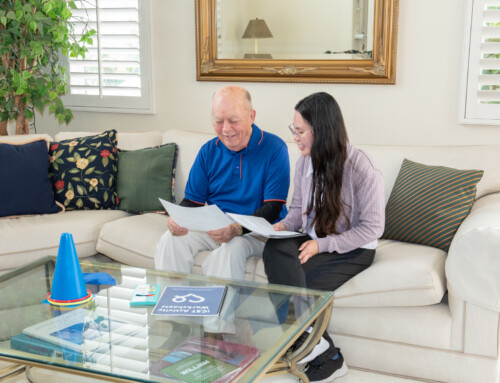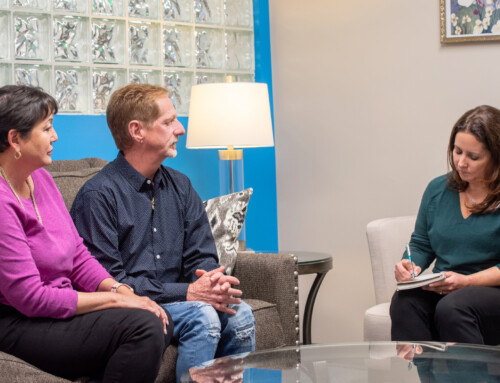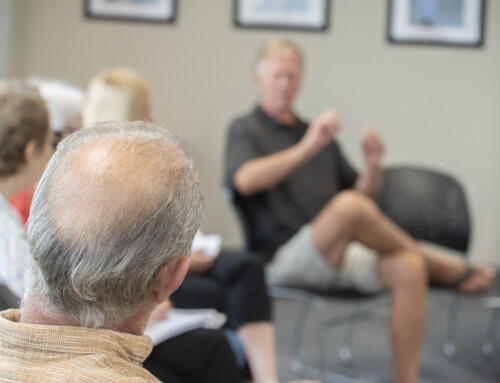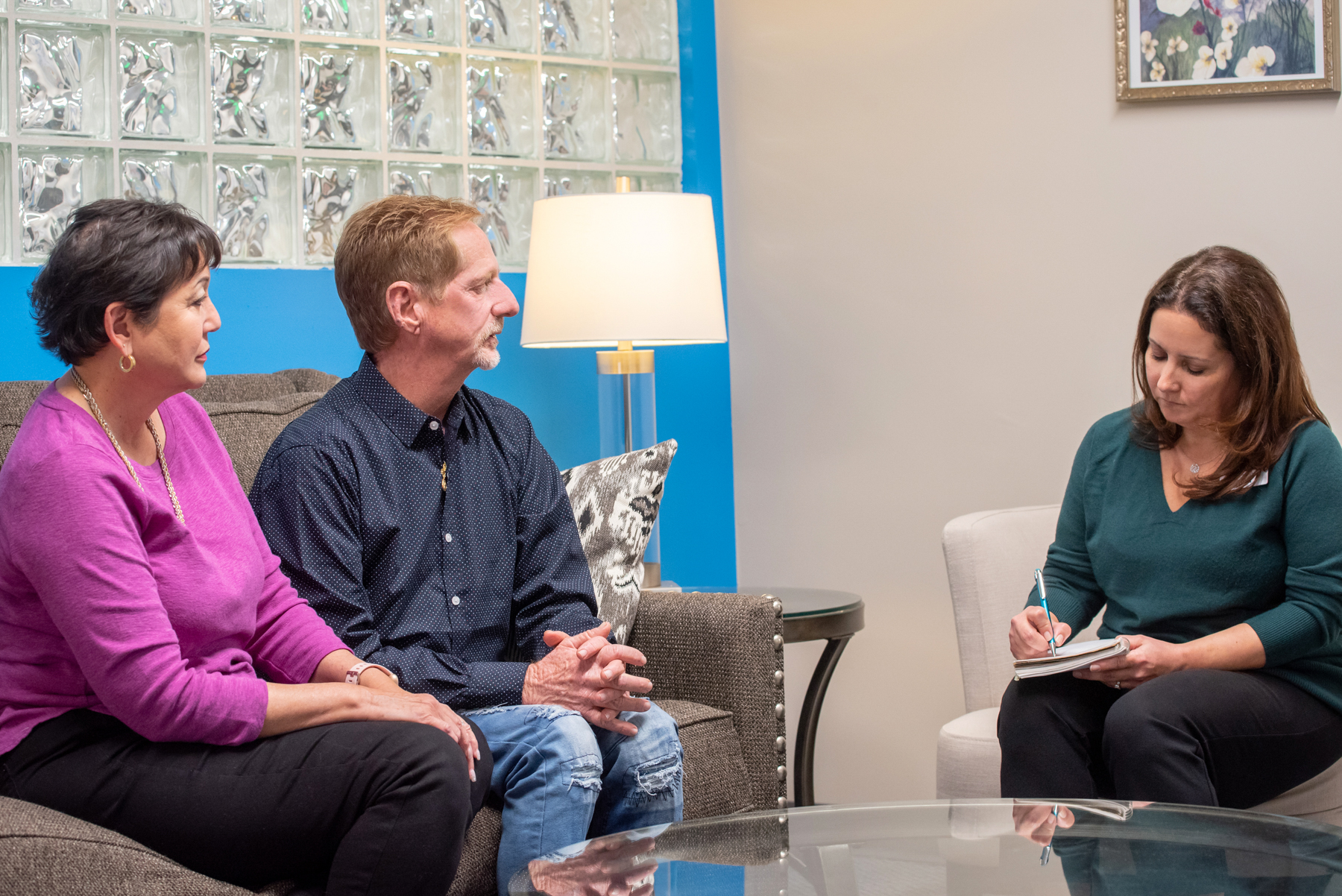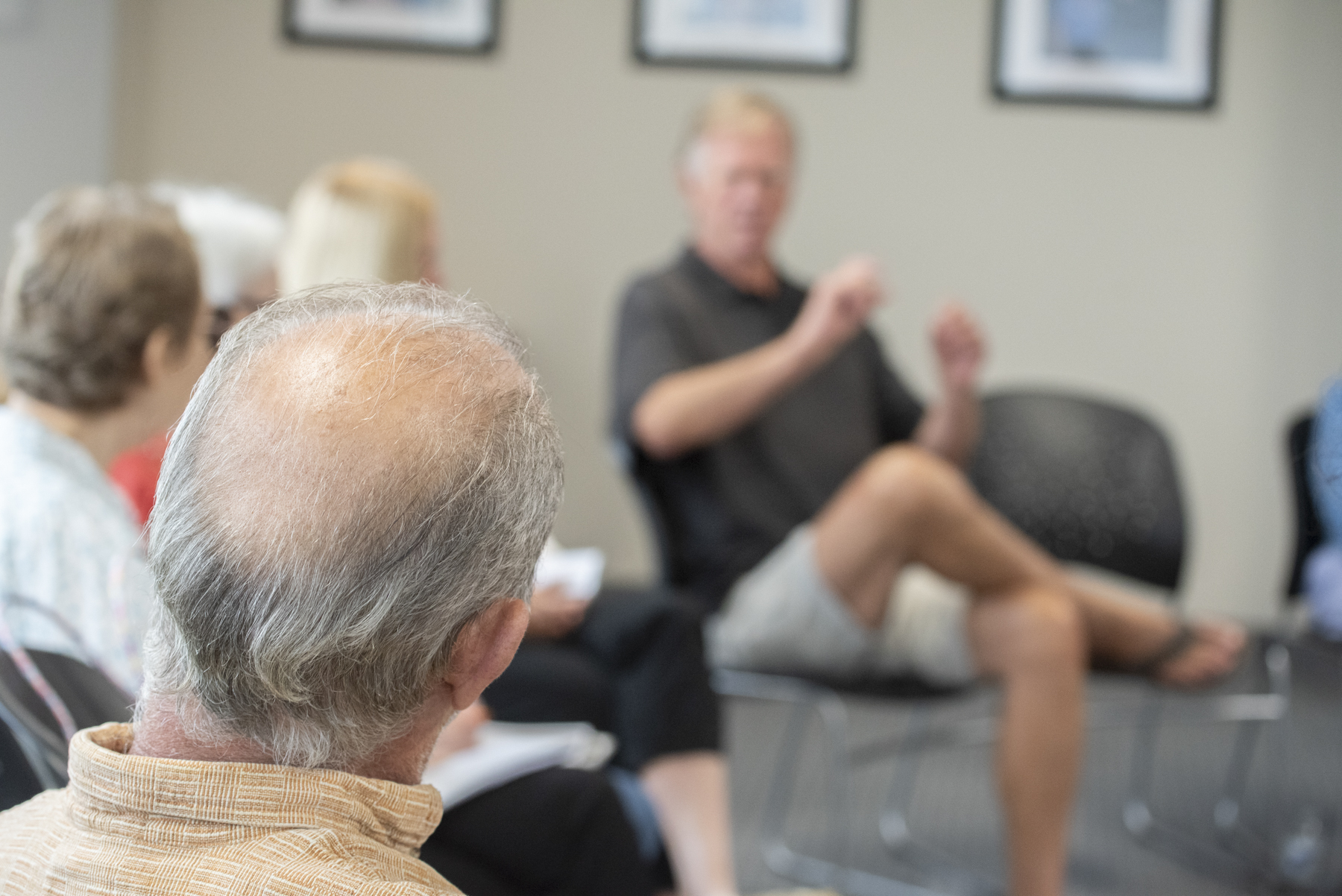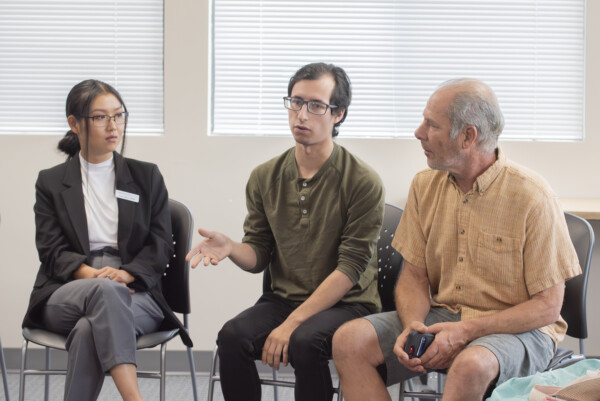
Almost everyone has preconceived ideas about things in life. This happens quite often when people think about support groups. Perceptions range from thoughts such as: “These gatherings are emotion-based,” to “I will have to talk about things I do not want to discuss,” to “this is a place where I can share my story and discover solutions for my problems,” as well as so many more expectations. Are those thoughts correct or incorrect? Let’s consider those three topics mentioned and what you can expect in a dementia caregiver support group at Alzheimer’s San Diego.
Are Dementia Caregiver Support Groups emotion-based?
It is true that every person who participates in one of our support groups comes in bringing a range of emotions with them. The groups, however, are not designed to process emotion, but rather to help people acknowledge what they are feeling and then use that awareness to help them focus on what situation needs to be addressed. By moving our attention from feelings to practical awareness, caregivers learn to manage emotions more easily when they are on their own. For example, when a caregiver is feeling frustrated, the person they are caring for will pick up on that frustration and respond to that rather than any of the words being said. The more quickly a caregiver can become aware of what they are feeling, they can then shift their emotion to something more beneficial to the interaction.
Will I have to talk about things I do not want to if I attend a meeting?
No, you will never be forced to talk about things you don’t want to talk about. Dementia creates situations and feelings that can be very uncomfortable to discuss. Who wants to share that their loved one is having problems with incontinence or is acting out in aggressive behaviors? Who feels comfortable admitting that they feel they are at the end of their rope and cannot go on? When I was a caregiver, I sometimes worried that the emotion I was feeling would overcome my ability to share. It is for this reason that our groups are set up to be a safe space where people feel they can share as much or as little as they want. I have had so many people tell me that they did not have anything to say this time – that they just wanted to come and be with the group. So no, you do not have to talk if you do not want to.
Will I be able to share my caregiving story and discover solutions to my problems?
Our meetings are designed to create a space where all who attend can have an opportunity to speak. For that to happen, participants are asked to keep their sharing brief and focus on the question or topic they would like feedback from the group about. By keeping topics to an overview, the goal is that all attendees can receive feedback and suggestions from the other attendees. For more in-depth assistance, attendees are encouraged to call the office to discuss their unique situation with a trained Dementia Care Coach.
Do you have more questions?
Please reach out to us by phone, 858.492.4400, or by email at info@alzsd.org with any questions or needs you may have. Our Supportive Services team members are looking forward to working with you! You may also check out our free education classes, social activities, & more.
Support Group Awareness Month is recognized every January, and we will share various blogs throughout the month regarding different aspects of our support groups. View more blogs >
By Ellen Boucher, BSW / Support Group Specialist
RECOMMENDED: Why Should I Participate in a Dementia Caregiver Support Group?
Posted on January 22nd, 2026