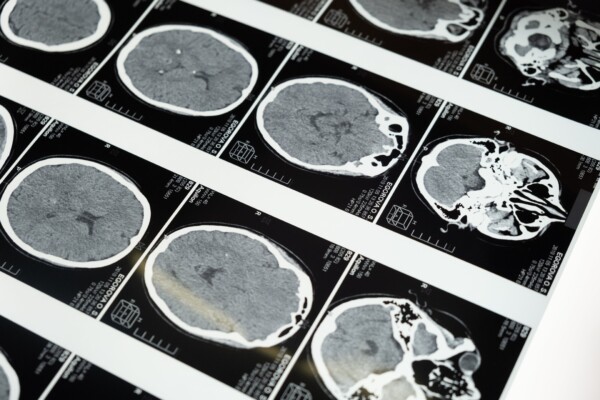
Vascular dementia is caused by injuries to the vessels supplying blood to the brain. This can be caused by brain damage from multiple strokes or other blood vessel injuries. Dementia risk can be significant even when individuals have suffered only small strokes.
Vascular dementia arises because of risk factors that similarly increase the risk for cerebrovascular disease. These include atrial fibrillation, hypertension, diabetes, and high cholesterol. Symptoms of vascular dementia can begin suddenly and progress or subside during one’s lifetime.
3 Types of Vascular Dementia:
Cerebral autosomal dominant arteriopathy with subcortical infarcts and leukoencephalopathy (CADASIL) is an inherited form of cardiovascular disease that causes a thickening of the walls of blood vessels. This eventually reduces the flow of blood to the brain. CADASIL is associated with multi-infarct dementia, stroke, migraine with aura (migraine preceded by visual symptoms), and mood disorders.
The first symptoms can appear in people between ages 20 and 40. Many people with CADASIL are undiagnosed. People with first-degree relatives who have CADASIL can be tested for genetic mutations to determine their own risk of developing CADASIL.
Multi-infarct dementia occurs when a person has had many small strokes that damage brain cells. One side of the body may be disproportionately affected, and language or other functions may be impaired.
When strokes occur on both sides of the brain dementia is more likely than when stroke occurs on one side of the brain. In some cases, a single stroke can damage the brain enough to cause dementia. This so-called single- infarct dementia is more common when stroke affects the left side of the brain and/or when it involves the hippocampus.
Subcortical vascular dementia (Binswanger’s disease) is a rare form of dementia that involves extensive damage to the small blood vessels and nerve fibers that make up white matter. White matter is the “network” part of the brain which relays messages between regions. The symptoms of Binswanger’s might include:
- Issues with short-term memory
- Changes in mood and attention
- Inappropriate behavior
- Increased time and effort to complete simple tasks
- Urinary incontinence
- Trouble walking or changes in gait
- Lack of facial expression
- Speech difficulties
People with subcortical vascular disease often have high blood pressure, a history of stroke, or evidence of disease of the large blood vessels in the neck or heart valves. Treatment is aimed at preventing additional strokes and may include drugs to control blood pressure.
For personalized dementia support, call us at 858.492.4400 to speak with one of our Dementia Care Coaches who are here to help San Diego County residents and/or those caring for someone living in San Diego County (Spanish speakers available). Also check out our free education classes, social activities, caregiver support groups, & more.
RECOMMENDED: Care Planning for People with Dementia
Updated on May 21st, 2026 / Originally published in 2023